Traumatic Brain Injury

31584

Traumatic Brain Injury

Traumatic Brain Injury (TBI) is a complex and potentially life-altering condition that occurs when the brain is damaged due to external forces, such as a blow to the head or a penetrating injury. TBI can have a significant impact on cognitive, emotional, and physical function, and its effects can vary widely depending on the severity and location of the injury.

Causes of Traumatic Brain Injury

TBI can result from various causes, including

Falls

Slipping, tripping, or falling, especially among older adults and young children.

Motor Vehicle Accidents

Collisions involving cars, motorcycles, bicycles, or pedestrians.

Sports Injuries

Contact sports, such as football, hockey, or soccer, can increase the risk of TBI.

Violence

Physical abuse, domestic violence, or gunshot wounds can cause TBI.

Explosions and Blast Injuries

Military personnel and civilians may be at risk.

Other Causes

Other causes of TBI include sports injuries, physical altercations, and industrial accidents.

Symptoms of Traumatic Brain Injury

The symptoms of TBI can vary depending on the severity and location of the injury. Common symptoms include

Cognitive Impairments

Memory loss, difficulty concentrating, and impaired judgment.

Physical Disabilities

Headaches, fatigue, sleep disturbances, and sensory problems.

Emotional and Behavioral Changes

Mood swings, irritability, anxiety, depression, and personality changes.

Seizures

Uncontrolled electrical activity in the brain leading to convulsions.

Diagnosis and Treatment

Diagnosing TBI involves a combination of clinical evaluation and diagnostic tests, such as

Glasgow Coma Scale (GCS)

Assessing the severity of TBI based on eye opening, verbal response, and motor response.

Imaging Tests

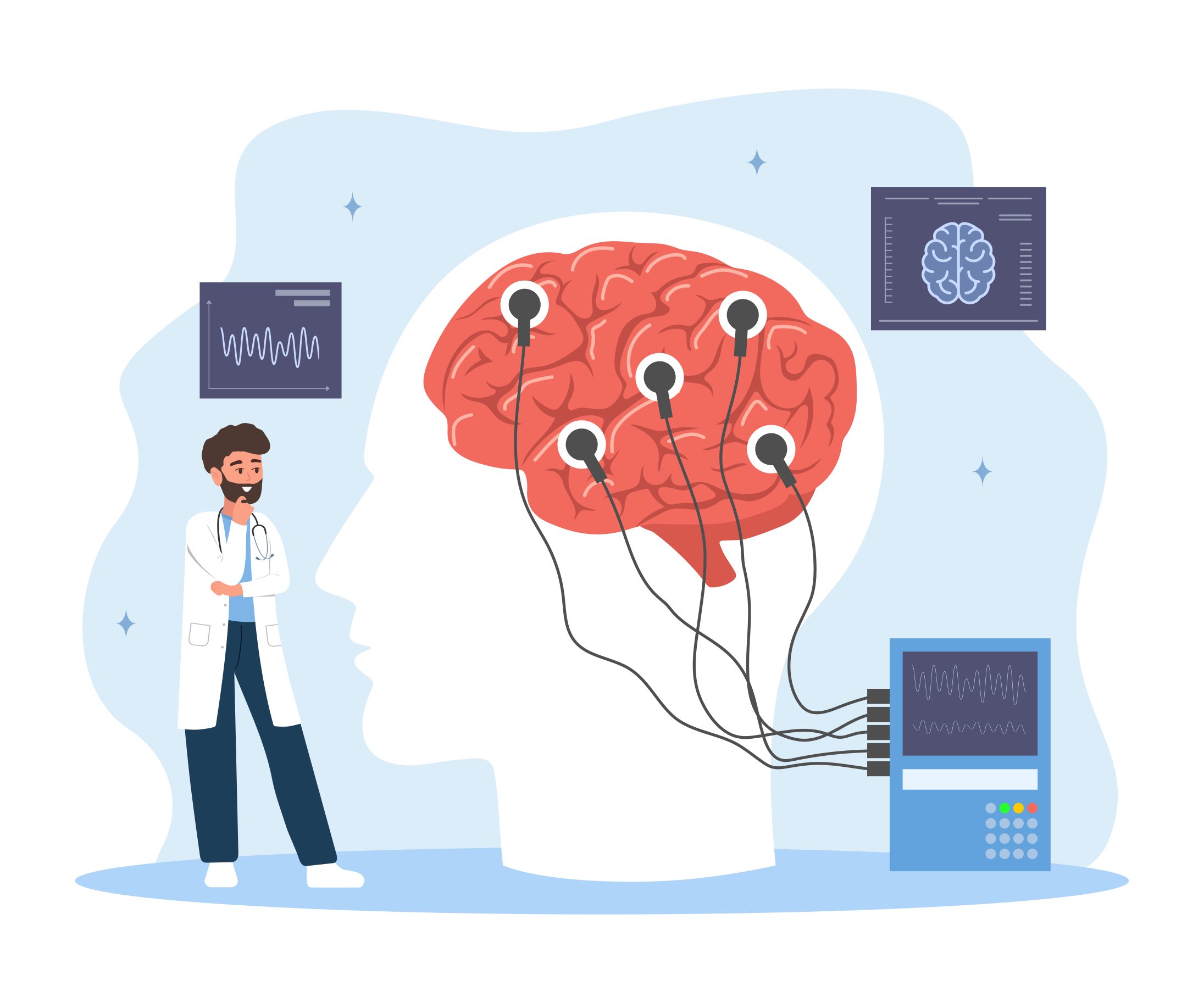
CT scans or MRI scans to detect structural abnormalities in the brain.

Neurological Examination

Assessing reflexes, motor function, sensory abilities, and cognitive function. Treatment for TBI depends on the severity and location of the injury. Common treatments include

Emergency Care

Stabilizing the patient, controlling bleeding, and preventing further injury.

Surgery

Removing blood clots, repairing skull fractures, or relieving pressure on the brain.

Medications

Physical, occupational, and speech therapy to improve cognitive and motor function.

Rehabilitation

Physical, occupational, and speech therapy to improve cognitive and motor function.

Recovery and Rehabilitation

Recovery from TBI can be a long and challenging process. Rehabilitation can help improve cognitive and motor function, but the extent of recovery varies widely. Some people may experience significant improvement, while others may require long-term or lifelong rehabilitation.

The breakthrough Neuro Cytotron therapy , offer new hope for individuals with TBI. By understanding the causes and symptoms, we can work towards improving the lives of those affected by this condition.

Your Trusted Neurology
Care Center

“Neuroregen Hospital specializes in the diagnosis and treatment of brain, spine, and nerve disorders — ensuring better health and recovery.

For Emergency

(+91) 8310659357

Contacts