Hypoxic Brain Injury​

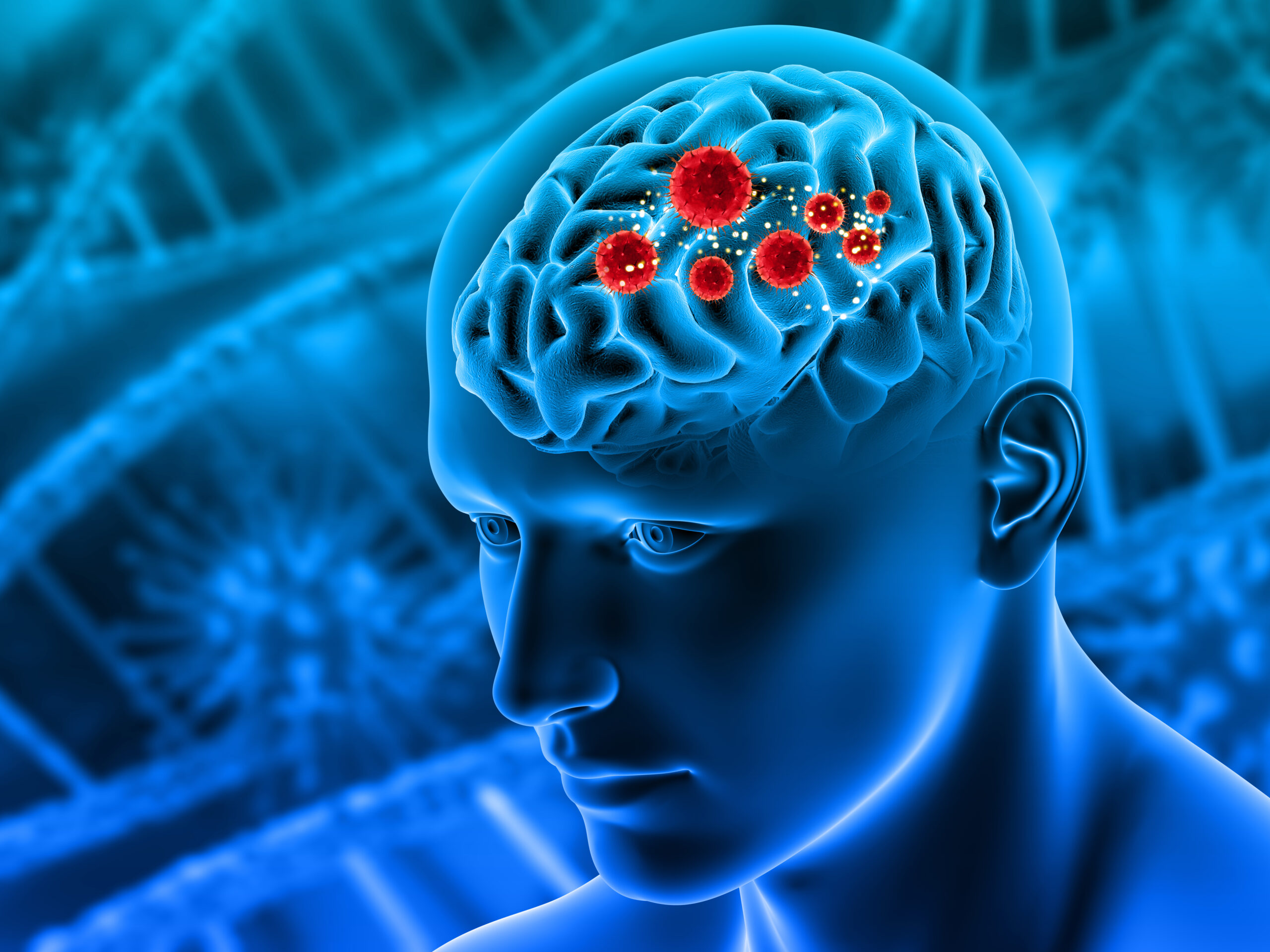
3d-render-medical-background-with-male-figure-with-tumours-brain-highlighted

Hypoxic Brain Injury​

Hypoxic brain injury, also known as cerebral hypoxia, occurs when the brain doesn’t receive enough oxygen, leading to damage that can affect important functions like movement, speech, and breathing.

This type of injury can have severe and long-lasting consequences, impacting cognitive, physical, and emotional health.

Causes of Hypoxic Brain Injury

Several types of injuries and medical emergencies can cause hypoxic brain injury, including

Near-Drowning

Prolonged lack of oxygen underwater, which can cause brain damage.

Carbon Monoxide Poisoning

A toxic buildup of carbon monoxide that prevents oxygen from being delivered to the brain.

Severe Anemia

A condition where the body doesn’t have enough red blood cells or hemoglobin, reducing oxygen delivery to the brain.

Stroke

A sudden interruption of blood flow to the brain, depriving it of oxygen.

Symptoms of Hypoxic Brain Injury

The symptoms of hypoxic brain injury can vary depending on the severity and duration of oxygen deprivation. Common symptoms include

Cognitive Impairments

Memory loss, difficulty concentrating, and impaired judgment.

Physical Disabilities

Coordination problems, muscle weakness, and impaired mobility.

Emotional and Behavioral Changes

Mood swings, anxiety, depression, and personality changes.

Seizures

Uncontrolled electrical activity in the brain leading to convulsions.

Diagnosis and Treatment

Diagnosing hypoxic brain injury involves a combination of clinical evaluation and diagnostic tests, such as:

Neurological Examination

Assessing reflexes, motor function, sensory abilities, and cognitive function.

Imaging Tests

CT scans or MRI scans to detect structural abnormalities in the brain.

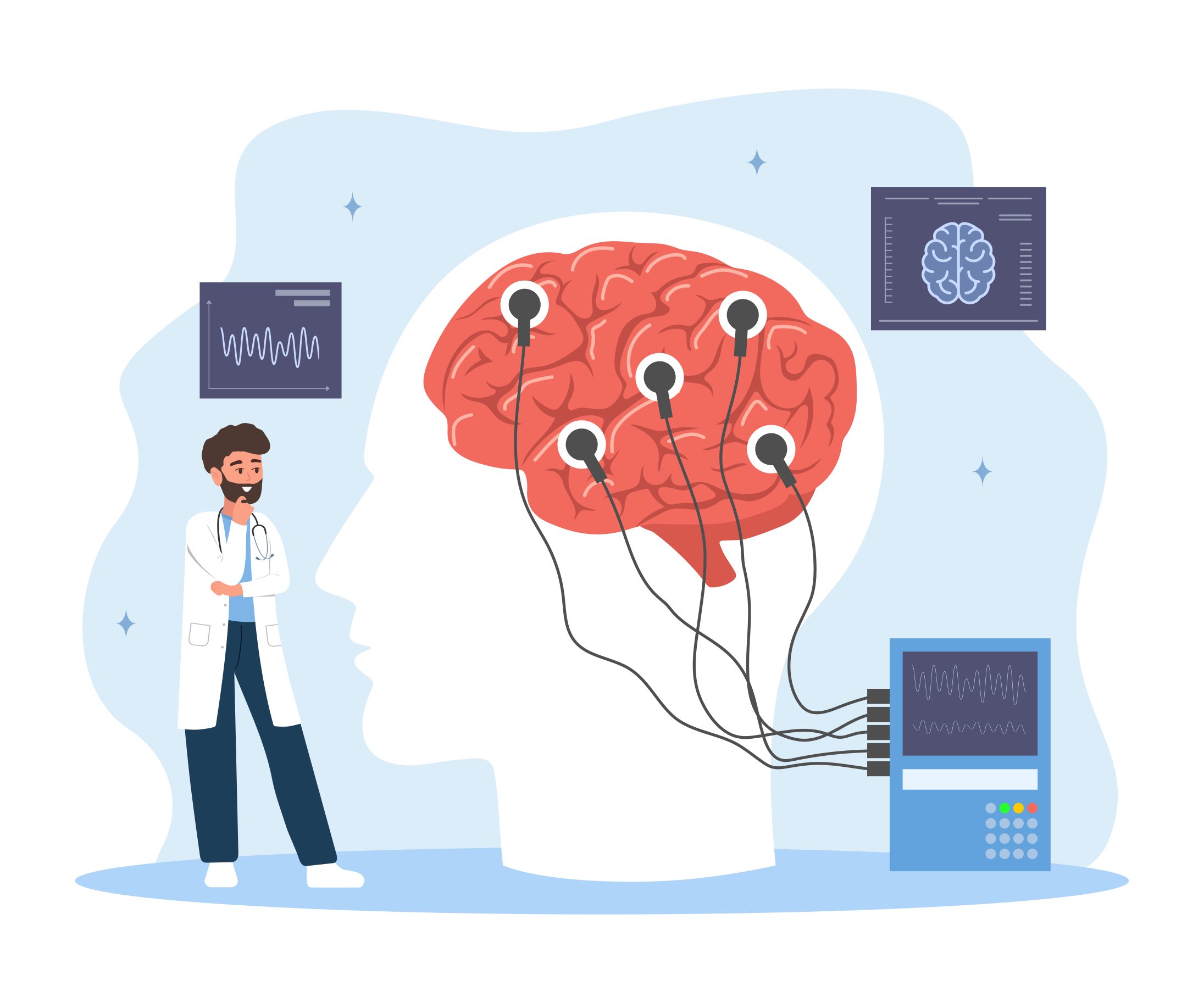
Electroencephalogram (EEG)

Measuring electrical activity in the brain to detect abnormal patterns. Treatment for hypoxic brain injury focuses on restoring oxygen supply to the brain and preventing further damage.

Respiratory Support

Oxygen therapy or mechanical ventilation to ensure adequate oxygen supply.

Medications

To support blood flow, reduce brain swelling, and prevent seizures.

Targeted Temperature Management (TTM)

Cooling the body to reduce metabolic demand and prevent further brain damage.

Rehabilitation

Physical, occupational, and speech therapy to improve cognitive and motor function.

Recovery and Rehabilitation

Recovery from hypoxic brain injury depends on the severity and duration of oxygen deprivation. Rehabilitation can help improve cognitive and motor function, but the extent of recovery varies widely. Some people may experience significant improvement, while others may require long-term or lifelong rehabilitation.

The breakthrough Neuro Cytotron therapy , offer new hope for individuals with Hypoxic Brain Injury. By understanding the causes and symptoms, we can work towards improving the lives of those affected by this condition.

Your Trusted Neurology
Care Center

“Neuroregen Hospital specializes in the diagnosis and treatment of brain, spine, and nerve disorders — ensuring better health and recovery.

For Emergency

(+91) 8310659357

Contacts